


-
CATEGORIES


Overwhelm Your Senses
By : Vandita

Afaqs: Rajesh Lalwani on Mercedes-Benz Project X
By : Blogworks
Fashion marketers misplaced love for their logo
By : Rajesh Lalwani

How to build brand equity in changing Indian market
By : Zeba Khan Tags: brand equity, Branding, branding strategy, digital marketing, Indian market, Marketing

Instagram it! A new noun in the world of branding
By : Zeba Khan Tags: instagram, instagram advertising, social media marketing
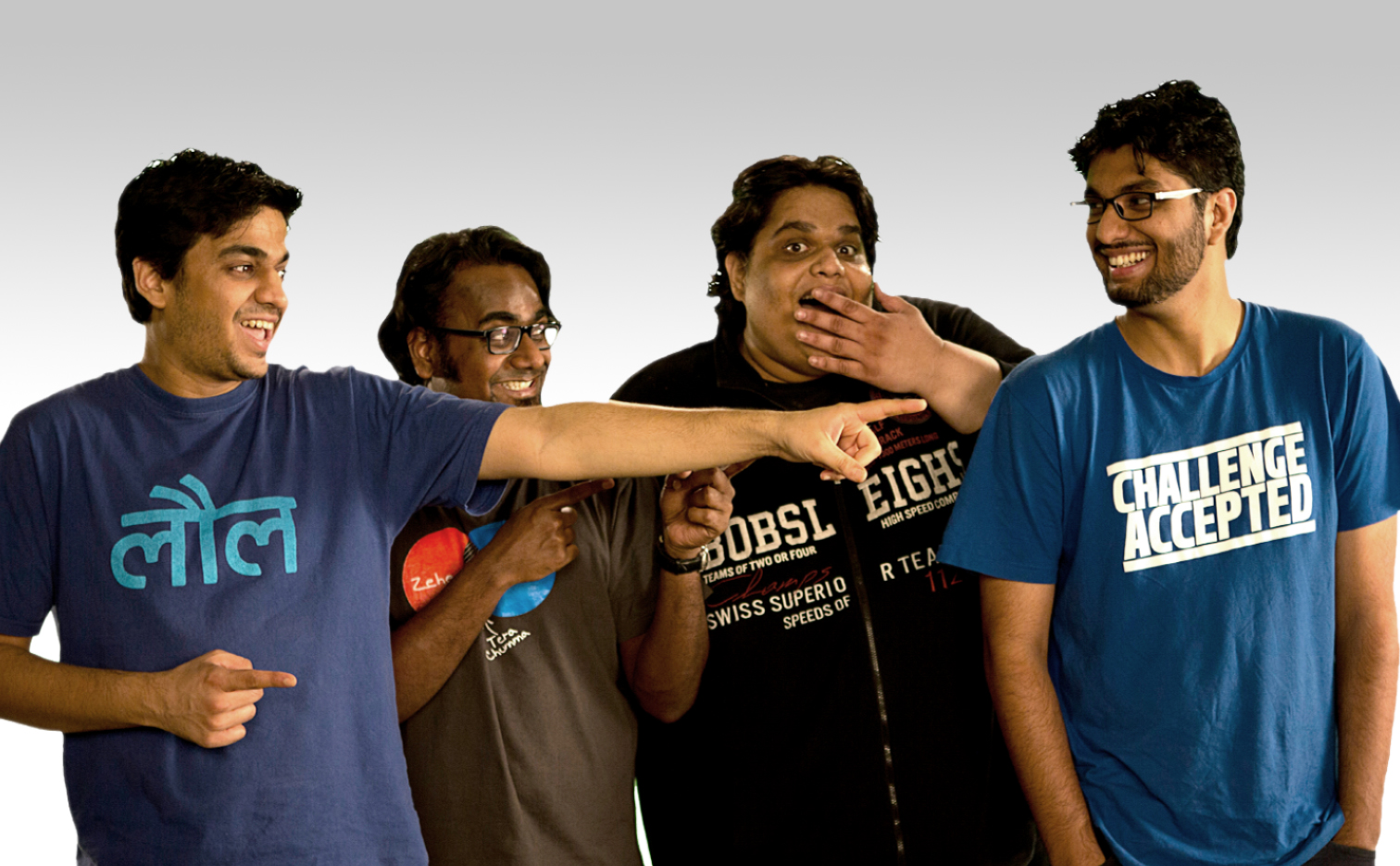
AIB’s secret recipe to success.
By : Rajesh Lalwani
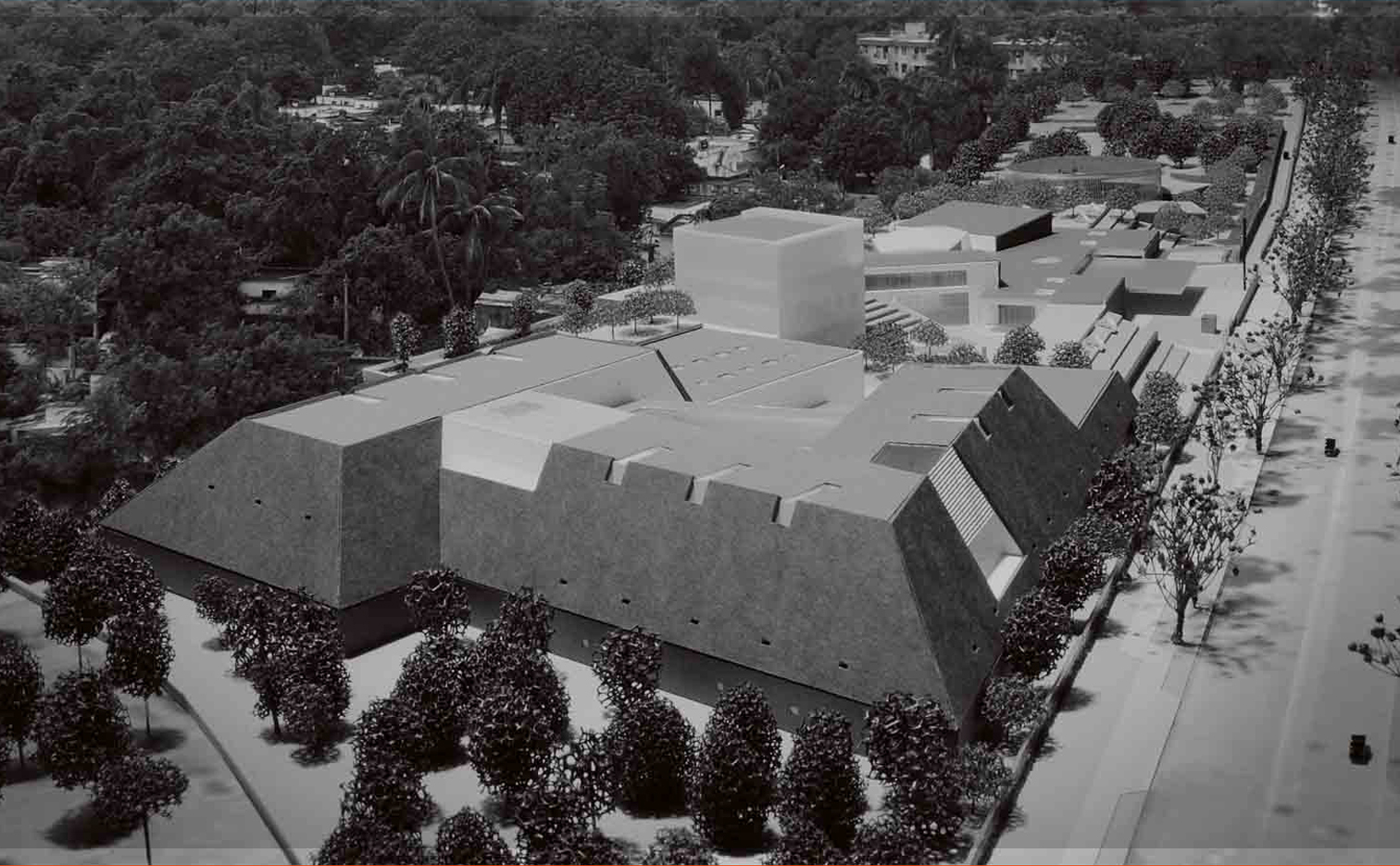
Rediscovering Bihar
By blogworks

FOMO is being embraced, are you watching?
By : Roohani Nayyar

Social buzz on Railway Budget 2015
By blogworks
Our Mumbai office
By blogworks
Creative Commons 101
By blogworks Tags: Creative Commons, Creative Commons Licenses, User Generated Content
Allen Solly presents the ‘Vogue School of Style’
By blogworks
Harlem Shake – does it have the making of a Gangnam?
By blogworks Tags: gangnam style, harlem shake, viral
The Fat Line Between Design and Art
By blogworks Tags: art, Design, difference, differences, similarities
Defining Purpose and Meaning in Social Media
By blogworks Tags: facebook, iim ahemedabad, Social Media, social media engagement, Twitter
Creating the future in 2013
By blogworks
Many things actually!
By blogworks
The Allen Solly Dress Fest is back!
By blogworks
Preparations for the new office
By blogworks
Hello there content writer! Having fun at work?
By blogworks Tags: Content, content writing, facebook, Social Media, tweeting, Twitter
Hello There Content Writer! Having Fun at Work?
By blogworks Tags: Content, facebook, Social Media, tweet
What if money did not matter?
By blogworks
Moving to a new office…soon.
By blogworks
Allen Solly celebrates ‘Hot Fridays’!
By blogworks
Diwali bash
By blogworks
Diwali @ blogworks
By blogworks
The basics of formal communication
By blogworks
Learnings from Google’s Full Value of Search Workshop: Part 1
By blogworks Tags: adwords, automation, Blogworks, CPC, Full Value of Search, google, keywords, search, workshop
An open letter to Mark Zuckerberg
By blogworks Tags: facebook, Mark Zuckerberg, Marketing, Social Media
Welcome to new Blogworks
By blogworks
Associate/Knowledge Director (2 openings)
By blogworks
Senior/Knowledge Manager (2 openings)
By blogworks
Senior/Knowledge Executives (2-3 openings)
By blogworks Tags: Blogworks, career, jobs, Social Media
Story in Businessworld – Online Reputation Killers And How To Handle Them
By blogworks Tags: Blogworks, Brands, Brian Solis, businessworld, future of reputation, Jessie Paul, K. Ramakrishnan, Max Hegerman, mohit hira, online reputation, online reputation management, rajesh lalwani, sanjay mehta, shiv singh, Social Media India, social media marketing consultancy, social media marketing india, viral oza
Interview with Rajesh Lalwani, CEO, Blogworks – Part II
By blogworks Tags: Blogworks, ceo, interview, kiruba shankar, rajesh lalwani
Interview with Rajesh Lalwani, CEO, Blogworks
By blogworks Tags: Blogworks, ceo, kiruba shankar, rajesh lalwani, Social Media India
Notes from Mobile Entrepreneurship Forum
By blogworks Tags: mobile entrepreneurship, seqoia capital, techcircle, vc circle
Credit Site
By blogworks
Social Media Analysts (2 openings)
By blogworks
Graphic/Web designer (1 opening)
By blogworks
Us on twitter
By blogworks
Us on facebook
By blogworks
Start a conversation
By blogworks
Helping create brands for the future
By blogworks
The Screenage – genesis; and, Twitter behaviour.
By blogworks
#TweetCheck 08-07-2012
By blogworks Tags: #casteism, #wimbledon, Blogworks, dara singh, iifa, prabhu deva, rekha, satyameva jayate, Social Media India, sourav ganguly, Star Plus, tweetcheck, Twitter, twitter trend analysis, vidya balan
#TweetCheck 05-07-2012
By blogworks Tags: #Delhisummers, #dusterishere, #no2JKreport, Blogworks, J&K, laila khan, renault duster, Social Media India, sunil chhetri, tweetcheck, Twitter, twitter trends analysis
#TweetCheck 04-07-2012
By blogworks Tags: #bolbachchan, Blogworks, cern, god particle, higgs boson, infinity mall, JPC, swami vivekananda, tweetcheck, Twitter, twitter trend analysis
#TweetCheck 02-07-2012
By blogworks Tags: Blogworks, tweetcheck, twitter trend analysis
#TweetCheck 01-07-2012
By blogworks Tags: Blogworks, tweetcheck, twitter trend analysis
@Blogworks #TweetCheck 28-06-2012
By blogworks Tags: Blogworks, tweetcheck, twitter trend analysis
@Blogworks #TweetCheck 27-06-2012
By blogworks
@Blogworks #TweetCheck 26-06-2012
By blogworks Tags: blogworks tweetcheck, twitter trend analysis
Blogworks @Rishikesh!
By blogworks
Facebook and India growth
By blogworks Tags: facebook, India, Reuters, Social Media
Beautiful @blogworks handouts that we printed for #indiasocial12
By blogworks Tags: #indiasocial12, Blogworks, India, Social Media
#McDstories – Are they loving it ?
By blogworks Tags: #McDstories, #Meethefarmers, Case Study, learnings, Marketing, McDonalds, Social Media
The Screenage – genesis; and, Twitter behaviour.
By blogworks Tags: facebook, Hindustan Times, India, Social Media, Twitter
Interpreting viral content
By blogworks Tags: Content, Social Media, Virals
Living our culture @blogworks
By blogworks
Fun @ blogworks
By blogworks
New visual identity for @blogworks
By blogworks
Story in Afaqs Reporter – Are Online Tools the best way to measure Digital Influence
By blogworks Tags: afaqs, afaqs reporter, gaurav mishra, influencer identification, karthik srinivasan, measuring digital influence, social lsitening, Social Media Analytics, Social Media India, social media insights, social media tools
Story in IAMAI’s magazine – Leveraging Social Listening Strategically
By blogworks Tags: amita malhotra, facebook, forrester, iamai, Social Media India, social media insights, social media listening, social media monitoring, Social Media Strategy, social media tools, social technographics, thinking aloud
Business Today: Cooling virtual tempers
By blogworks Tags: Business Today, India, Social Media
Ingredients of a #twitter #trending topic – draft 1.0
By blogworks Tags: Blogworks, Social Media, trending, Twitter
My fun presentation at Pune
By blogworks Tags: Communication, Fun, ISB&M, Marketing, rajesh lalwani
Facebook India upping monetisation stakes
By blogworks Tags: David Fischer, facebook, India, Kirthiga Reddy
How user behaviour differs on Facebook vs Twitter?
By blogworks Tags: Blogworks, facebook, Twitter, user behaviour
Willful participants in a ‘social media revolution’ – learnings series 1
By blogworks Tags: Anna Hazare, India
Credibility is an outcome, of authenticity.
By blogworks Tags: Content, Jessie Paul, Marketing, rajesh lalwani, Social Media
Gurgaon Traffic Brigade: waking up to an idea come alive
By blogworks Tags: Gurgaon, Hindustan Times, Mint, rajesh lalwani, traffic brigade
India Triple Play video feature
By blogworks Tags: Indiatripleplay, rajesh lalwani, UTStarcom
High hopes for Places and Deals in India
By blogworks Tags: Deals, facebook, Facebook Places, Geo-social, giveaways, social commerce, Social Media
In the News 2011
By blogworks
An Ode to Social Media
By blogworks Tags: facebook, ode to social media, Social Media India, social media poem, social media poetry, Twitter
Now, your ‘Inbox’ is changing!
By blogworks Tags: accessibility, Email, email marketing, Gmail, Google Docs, Google Voice, Hotmail, interactivity in email, Priority Inbox, Social Media, Yahoo Mail
The message or medium or more
By blogworks Tags: Marketing & Communication, Media Coverage, Media_, Message
The joy of giving!
By blogworks Tags: CNN, Narayanan Krishnan
The left foot that seems right.
By blogworks Tags: Blogworks, Diego Maradona, Football, G Rajaraman, Hugh Kim Lewis, India
Write, to get sued – right?
By blogworks Tags: brand, Customer Service, legal, Marketing, Social Media
Work from home!
By blogworks Tags: India, internal communications, Social Media
Top 5 emerging trends in eCommerce
By blogworks Tags: Coupons, Deals, eCommerce, Emerging trends, Fashion, Group buying, Personal Shopper, Sales Online, Shopping, YouTique
What’s the future of Facebook email? Your thoughts?
By blogworks Tags: Email, facebook, Gmail, google, Insights, Social Media
Dumbing down of engagement, to help social gain scale
By blogworks Tags: conversations, facebook, India, Social Media, Twitter
Satyagrah in a Peepli Live show
By blogworks Tags: culture, India, Peepli Live
Simple lesson from Mystery Shampoo versus Dove
By blogworks Tags: dove, Marketing, mystery shampoo, pantene, teaser
Mobile money
By Amita Tags: Airtel, banking, eko, financial, mobile money, nokia, obopay, telecom
Real money in virtual goods
By Rajesh Tags: social games, virtual currency
India’s answer to Oldspice?
By Rajesh Tags: Advertising, India, OldSpice, Wildstone
Does your Company have a Social Media Policy yet?
By blogworks Tags: CNN, company, guidelines, IBM, Infosys, Intel, Kodak, Octavia Nasr, policy, Rules, Social Media
Indian Rupee symbol page on Facebook
By blogworks Tags: facebook, India, Rupee Symbol
Cool Social Media Tools and Links
By blogworks Tags: Cool Tools, Internet, Social Media
Monetizing content through ‘lead generation’ is a win-win
By blogworks Tags: business, Lead Generation, Marketing, Social Media
My personal blog and website
By blogworks Tags: Blogworks, Business Strategy, India, rajesh lalwani, Social CRM
How-to-use Facebook for business users
By blogworks Tags: beginners, entrepreneurs, facebook, Social Media, Tips
7 Twitter tips for beginners
By blogworks Tags: Blogworks, India, Social Media, Tips, Twitter
Blogworks TiEs
By blogworks Tags: Blogworks, Communication, Social Media, Workshops
Launching the new look Blogworks site and blog
By blogworks Tags: Blogworks, Conversations@blogworks, India, Social Media, Website
Choosing social media basis business context and relevance
By blogworks Tags: India, Social Media
Social ads vs Organic mentions
By blogworks Tags: facebook, Marketing, social ads, Social Media
IndiaSocial Case Challenge Winners
By blogworks Tags: Blogworks, India, indiasocial, IndiaSocial Case Challenge, Social Media
Of visualization charts
By blogworks Tags: Blogworks, business, India, Scenario, Social Media
blogworks.in revamp – call for proposals
By blogworks Tags: Blogworks, India, Social Media, wordpress
?????? ????…
By blogworks Tags: Blogworks, India, Social Media
IndiaSocial™Case Challenge is now live – time to see the depth of social media work in India.
By blogworks Tags: Anurag Batra, Blogs, Blogworks, Brands, Case Study, dina mehta, exchange4media, Impact, India, indiasocial, kiruba, Peter Griffin, Pradyuman Maheshwari, rajesh lalwani, Social Media, social media open, Twitter
10 Commandments for being a Facebook celebrity
By blogworks Tags: amita malhotra, Blogworks, Celebrity, facebook, India, Social Media
India Digital Brand Index 2.0
By blogworks Tags: Blogworks, brand index, Brands, brandtology, buzz, Consumer, Digital, edelman, Engagement, India, Influencers, Marketers, Marketing & Communcation, Online, Samsung, samsung corby, samsung corby colour wars, socialmedia
Ten trends that will drive Social Media in 2010
By blogworks Tags: 2010, augmented reality, blogorks, convergence, dataquest, Enterprise 2.0, facebook, foursquare, gogle wave, google, linkedin, manpreet kaur, Mobile, search, social gaming, social media stakeholders, social media trends, socialmedia, Twitter
Taking things lightly @Blogworks
By blogworks Tags: amita malhotra, Blogworks, Caricatures, Fun, humour, India, Kriti Arora, manpreet kaur, rajesh lalwani, rajika talwar, Richa Choudhary, Social Media
Sapling’s growing up – Blogworks completed 3 years.
By blogworks Tags: Anniversary, Blogs, Blogworks, India, India Social, Social Media
Push comes to Chase – entrepreneurial journeys
By blogworks Tags: business, Entrepreneurship, Fun
In the News 2010
By blogworks Tags: Blogworks, Business Line, Business Standard, exchange4media, Financial Express, Forbes, In the News, India, india today, Newsmakers, rajesh lalwani
Got it – Missed it? Trends 2009 that I got right/ wrong
By blogworks Tags: Blogworks, India, Social Media, trends 2009, trends 2010
Social Media Marketing Triads – Slide-deck
By blogworks Tags: Blogworks, conversations, Marketing, Media_, networking, sales, Social Media
Dad completes 62 ; may the singing and travels continue.
By blogworks Tags: India, santosh lalwani, songs, talat mahmood
Social Media Marketing ‘Triad?’ – version 1.1
By blogworks Tags: Blogworks, conversational marketing, India, Model, Triad
Social Media Triads – version 1.0
By blogworks Tags: Blogworks, India, learnings, Methodology, Social Media, social media marketing
I got lucky: another auto ride, more insights.
By blogworks Tags: auto driver, India, Insights, Marketing
Recent media coverage for Blogworks
By blogworks Tags: cleartrip.com, CNN IBN, gul panag, Jet Airways, kiruba, LiveMint, Mail Today
“How many you have” times have arrived for the mobile handset.
By blogworks Tags: India, Insights, Marketing, Mobile Phones, nokia, Samsung
My case-study was stolen.
By blogworks Tags: Bicycle, India, rajesh lalwani, Social Media Impact on Purchase
Twitter tools you’re going to love
By blogworks Tags: applications, Social Media, social media networks, socialmedia, Tools, Twitter
Fun Poll: Are you a guy, and cook? Take the poll. Girls can leave comments
By blogworks Tags: Cooking, India, Lifestyle, Men, rajesh lalwani
Twitter Talk: Where one to one, goes one to many
By blogworks Tags: Blogworks, communcation, conversations, gul panag, India, Marketing, rajesh lalwani, Twitter
Viral all the way
By blogworks Tags: digg, divesh mishra, dominoes, facebook, myspace, Orkut, patrick doyle, social media networks, susan boyle, Twitter, youtube, zoozoo
Water Locked
By blogworks Tags: Economy, Environment, Scarcity, Water
Blogworks “India Bloggers Directory” – Edition 1
By blogworks Tags: bloggers, Blogs, Guide, Handbook, India Bloggers Directory, Resource, Twitter
Let’s talk about sex …errr social media
By blogworks Tags: Blogworks, Masturbation, Sex, Social Media
Stop after go ? Where does the new Visa ad go.
By blogworks Tags: Advertising, Marketing, Visa
Dealing with a slowdown in bytes
By blogworks Tags: Agencies, Blogworks, India, Marketers, Marketing, Pitchh.com, slowdown, Social Media
In the News 2009
By blogworks Tags: In the News
Global Internet users cross the 1 billion mark
By blogworks Tags: Global, Internet, Statistics
Lauchingour corporate website.
By blogworks Tags: Blogworks, corporate, India, Marketing, Marketing & Communcation, Pitchh, Scenario, scenarioconsulting, socialmediasurveyindia
2009 Trend # 4 – Social Media for Marketing, focus on RoI
By blogworks Tags: 2009, Blogs, India, Mainstream Media, Marketing, Measurement, Media_, Social Media, Trends
2009 Trend #3 -Blogs become second skin, for mainstream media
By Rajesh Tags: 2009, Blogs, India, Mainstream Media, Marketing, Media_, Social Media, Trends
Friends…
By Rajesh Tags: Friends, rajesh lalwani, Rules
2009 Trend # 2 -Brand Stalker Cometh, this year.
By blogworks Tags: Blogs, Brand Stalker, India, Marketing, Social Media
Making Money via a Blog
By blogworks Tags: bloggers, Blogs, India, Media_, micro-publishing, money, Social Media, writing
Tell me which ones I got right, and wrong.
By blogworks Tags: 2008, 2009, Internet Trends, Mint
Go Black – a call for all Indian Media
By blogworks Tags: bloggers, Go Black, India, Indians against terror, magazines, Media_, newspapers, TV Channels
Back to writing mode – starting with a question.
By blogworks Tags: India, Pitchh.com, Start-ups
Blogging 2.0
By blogworks Tags: Blogs, Impact, India, Social Media
An Overview of Blog and Social Media Environment in India – updated
By blogworks Tags: Blogs, India, Marketing, Report, Research, Social Media, Study
LiveJournal Quick Tales Flash Fiction Contest Launched.
By blogworks Tags: Blogs, Caferati, Contest, India, India Writing, LiveJournal, LJ
Client and Agency Engagement – Today’s Paradox
By blogworks Tags: Advertising, agency, Clients, Marketing, public relations
Social Media Obsessions
By blogworks Tags: Blogs, crisis, Marketing, PR, Social Media
PITCHH.COM is now live. Go on, make the right connect.
By blogworks Tags: Advertising, Agencies, Below the line, Global, India, Pitchh, Pitchh.com, public relations, Webyantra
Pitchh Update
By blogworks Tags: Brands, Marketing, Marketing & Communcation, pitch, public relations
Total Gadha
By blogworks Tags: Fun, Total Gadha.com
Just Now
By blogworks Tags: American Express, Food, Fun, Gurgaon, India, Marketing & Communication, Nirula's
Good Fun – repost from Verbum
By blogworks Tags: Good fun
The Differentiator = Empowered Team
By blogworks Tags: Costa Coffee, Customer Service, Marketing, Pizza Hut
And we’re BACK!
By blogworks Tags: Ajay Jain, Blogworks, Let's Connect, Tarun Matta
Relive the learnings 4 – Make things idiot proof.
By blogworks
Organised Retail :)
By blogworks Tags: Amul, colours, India, mango shake, organised, retail, summer
Relive the learnings 3 – Don’t presume, ask instead.
By blogworks Tags: Marketing & Communication
Relive the learnings 2 – Close the loop.
By blogworks
Relive the learnings 1 – Say more in less.
By blogworks Tags: learnings, Marketing & Communication
Love Travel Guides – a picture of beauty
By blogworks Tags: Beautiful, Books, Delhi Guide, India, Love Travel Guides, Marketing, publishing, Social Media
Weekly Indian Business Blogs Digest – Edition 4
By blogworks Tags: Best Indian Business Blogs, bloggers, Blogs, India
In the News – 2008
By blogworks Tags: Blogworks, Impact, In the News, Media Coverage, NDTV, rajesh lalwani, Scenario Communication Partners, Scenario Consulting
Business proposition… for start-ups
By blogworks Tags: business, Global, India, Marketing, Marketing & Communication, Start-ups
Sigh!
By blogworks Tags: blogger relations, India, public relations
Kamla Bhatt says “A different blogosphere in India”, I agree.
By blogworks Tags: blogging, Blogs, Corporate Blogs, India, Kamla Bhatt, Social Media
Khan versus Khan – Aamir/ Shah Rukh
By blogworks Tags: Aamir Khan, Advertising, Brands, nokia, Samsung, Shah Rukh Khan
Weekly Indian Business Blogs Digest – Edition 1
By blogworks Tags: best of blogs, Blogs, India, Indian Blogs Digest
You can run, but you can’t hide.
By blogworks
Who doesn’t want to be All Tops!?
By blogworks Tags: All Top, Credit Card Start-UP, Guy Kawasaki, Kathryn Henkens, Start-up, Truemors, Will Mayal
Comments disabled for the next few days!
By blogworks
Mint helps propel the “Corporate Traffic Brigade” thought .
By blogworks Tags: crisis, Delhi-Gurgaon Expressway, LiveMint, Mint, Opportunity
Lead India: Love this; Hate that!
By blogworks Tags: Advertising, Amitabh Bachchan, Campaign, India, Lead India, The Times of India, Tree
Learning from Delhi – Gurgaon Expressway Fiasco.
By blogworks Tags: CSR, Delhi-Gurgaon Expressway, India, public relations
And mine to Astérix!
By blogworks Tags: Asterix, Fun, humour, obelix, Tintin, Vir Sanghvi
We, the Blogger People.
By blogworks Tags: Barkha Dutt, Blogger meets, Blogs, Kamla Bhatt, NDTV
Blog the Talk, Edition 5: The Social Media Journey: Where are we?
By blogworks Tags: Blog the Talk, Blogs, India, Social Media
What’s the story this year?
By blogworks Tags: 2008, Blogs, Internet, Marketing, mobile communities, Social Media
Internet Trends 2008 – Contributory Piece for ‘Mint’
By blogworks Tags: India, Internet, Mint, the wall street journal, Trends
Sample Corporate Blog Configuration – 70:30 ; 70:30
By blogworks Tags: CEO blog, Corporate Blogs, drivers of reputation, hr blogs, India
So, where are you going? A piece I wrote for Hindustan Times
By blogworks Tags: Hindustan Times, HT, social media car
What do customers really want?
By blogworks Tags: banks, Customer Service, India, Marketing
Channel [V] Blog in the line of fire!
By blogworks Tags: Blogs, channel [V], crisis, dina mehta, gaurav mishra
Interesting Day!
By blogworks Tags: Customer Service
Panel Discussion on New Media
By blogworks Tags: Blogs, convergence, exchange4media, google, Internet, new media, sanjay trehan, webchutney
“CEO’s guide to blogging.” – piece I wrote for HT
By blogworks Tags: Blogs, CEO guide, Hindustan Times, Social Media
Linking Facebook Social Ads with ‘Needs’
By blogworks Tags: Advertising, blog workshops, facebook, interests, needs, social ads, Social Media Workshops
We are hiring!
By blogworks
What is Customer Delight? Share your experiences…
By blogworks Tags: customer delight, customer experience.
Dell finds ROI++ the blog & social media way!
By blogworks Tags: corporate, Dell blog storm, jeff jarvis, ROI of blogs
Cool Tools 8 – Wufoo – Really Whohoo!
By blogworks Tags: form builder, wufoo
Ransom?
By blogworks Tags: AAAI, broadcast, Indian Advertisers held to Ransom by IBF, Indian advertising
LinkedIn, the viral question
By blogworks Tags: linked in, viral marketing
Mythologic, episode 1: Krishna, Chandra and the God of gods!
By blogworks Tags: Blogs, chandra, hindu mythology, Krishna, mythology, Social Media, the moon
Myths and interpretations!
By blogworks Tags: Dr. Devdutt Pattanaik, Goddess in India, myth = mythya, mythology, Social Media
Street Smart (er)!
By blogworks Tags: Marketing, sales, street kids
“Sir, I have an exclusive offer for you!”
By blogworks Tags: do not call registry, telecallers
Wearing the public relations hat!
By blogworks Tags: blogger relations, public relations
Perfection in Motion
By blogworks Tags: dressage, equestrian, horses, You Tube
Needed: Campaign to promote safer Social Networking!
By blogworks Tags: BigAdda, facebook, India, Orkut, seagram's, SNA, Social Networking
See you Freed!
By blogworks Tags: Delhi, FOSS, free and open source, ILUG- Delhi, India Linux Users Group, septempber, software, technology
Can I trust you!?
By blogworks Tags: Blogs, HR, Human Resources, Social Media, Wikis
Thinking…
By blogworks Tags: Blogs, Customer Service, learnings, thoughts, tone of voice
Bangalore Friday – One Meeting Window.
By blogworks Tags: Bangalore, corporate voice shandwick
Facebook compared with LinkedIn.
By blogworks Tags: answers, facebook, jobs, linkedin, Social Networking, Twitter
Blogworks™ Ad Affiliate Network
By blogworks Tags: Advertising, Blogworks, Conversations@blogworks, Marketers, Marketing, micro marketing, neo publishing, network
Coming up, Sunday: Guy Kawasaki
By blogworks
It’s raining… Blog the Talk.
By blogworks Tags: Blog the Talk, blogging, Internet, Kishore Bhargava
Rediff’s iShare – a nice beginning!
By blogworks Tags: blog showcase, iShare, rediff.com
10 up!
By blogworks
Brandate ’07
By blogworks
Clap your hands, if you know it!
By blogworks
Quick Post 1
By blogworks Tags: Toll Freet
Same true you?
By blogworks Tags: facebook, Orkut, Social Media, Social Networking, Truemors
Brandate ’07 Tomorrow (UPDATED)
By blogworks Tags: brand-comm, brandate, Branding
Business with Pleasure
By blogworks
Are WE changing things?
By blogworks Tags: Advertising, cannes 2007 grand prix, dove evolution
Blogging BenefIT
By blogworks
Sipping Some Thoughts…
By blogworks Tags: meme, thinking blogger award
It’s happening…
By blogworks
Consumers beget consumers!…says Namita
By blogworks Tags: Blogworks, namita arora, word of mouth marketing
Brand stalker cometh?
By blogworks
Two Two Meow Meow
By blogworks Tags: india today, Meow FM 104.8, Radio, radio today
India Online 2007 is out – see links!
By blogworks
One brand’s experiment… is our learning!
By blogworks
When life was simple…
By blogworks Tags: Advertising, Gold Spot
Weak link…!
By blogworks Tags: Brands, Customer Service, India
Happy Conversations!…is Bidisha’s inaugural post.
By blogworks Tags: bidisha dey, Marketing, Social Networking
tweetVOLUME – Brand Buzz Tool?
By blogworks Tags: tweetvolume, Twitter
Meow 104.8 FM – Women only!?
By blogworks Tags: FM, Meow 104.8, Radio, Women
Points to help you win!
By blogworks Tags: Blogs, pointers, Social Media, Strategy, the park - navi mumbai
Today’s HT piece
By blogworks Tags: blogger.com, blogging, Hindustan Times, movable type, should I blog, strategic blogging, wordpress.com
New beginnings in Social Networking – who is going to win!
By blogworks Tags: big adda, facebook, ibibo, India, minglebox, Orkut, Social Networking
All in a game…
By blogworks Tags: Games, gaming, in-game branding
YouTube launches revenue sharing
By blogworks Tags: TechCrunch, You Tube
Lined up for Monday!
By blogworks
Music of Silence
By blogworks Tags: Osho
Twitter trick by BBC
By blogworks Tags: BBC, Social Media, Twitter
Ad Affiliate Network – Inviting bloggers
By blogworks Tags: Blogworks
Pictorial – Social Media Workshop
By blogworks Tags: Blogworks, Social Media Workshop
Books I was gifted…
By blogworks Tags: Books
Cool Tools – 6
By blogworks Tags: Document Management, Scribd, Slideshare
Cool Tools – 5
By blogworks Tags: search, Social Media, Spock
Link/s for the day 09 April 2007
By blogworks Tags: Orkut, Research, Social Networking
Link for the day 08 April 2007
By blogworks Tags: Links, Social Bookmarking, Top 10
Life’s in Fashion…
By blogworks
Linking to Toby’s ‘Consumer Generated Media…’ Post
By blogworks
Conversational Marketing
By blogworks Tags: Blogworks, conversational marketing, Customers, Marketers, Marketing
Browser error…
By blogworks
Cool Tools – 4
By blogworks
Cool Tools – Three
By blogworks Tags: Brainstorming, Web 2.0; Bubbl.us
India PR piece – Experiments with Social Media
By blogworks Tags: India PR, public relations, Social Media
Registered yet? Limited registrations!
By blogworks Tags: Blogs, Blogworks, FMCC, Podcasts, Social Media Workshop, Wikis
Nike Cricket Ad – Advertising as entertainment
By blogworks Tags: Nike cricket ad.
Vatavaran 2007- Environment & WildLife Film Fest
By blogworks
The age of the ‘individual’.
By blogworks Tags: individual, Laptop skins
Blogs helping Indian Marketers
By blogworks Tags: Blogs, Brands, India, The Economic Times
Oye Pappe! Says Hritik??
By blogworks Tags: Cricket World Cup, Hritik Roshan, Tata Sky
Internet in India – the role of search
By blogworks Tags: Internet in India - the role of search
Search for Real!
By blogworks Tags: chacha.com, search, Social Media Workshops
Cool Tools -2
By blogworks Tags: GeoGreeting
BBC News-South Asia Photo Competition
By blogworks Tags: BBC News, Photography
Farmers and blogs
By blogworks Tags: Life of a Farm blog, Mahindra, Scorpio, SUV
You Tube plans to pay users for uploading content
By blogworks Tags: Social Media, User Generated Content, You Tube
Robert Scoble has ‘a few’ people upset.
By blogworks Tags: Robert Scoble
Guru Yoga
By blogworks Tags: Meditation, Mini Thapar, Yoga, Yoga with Sapna
Mission Possible
By blogworks Tags: Ajay Jain, Environment, Global Desi, Green Dioxide, Rekha Nambiar, Travel
Blogs that Work- Invitation
By blogworks Tags: Blogs that work, Case Study, Social Media
Overheard 1
By blogworks Tags: Fun
‘Blogs- Power to the People’ – so much has happened
By blogworks Tags: Blogs
Credibility & others…
By blogworks Tags: blogging, Celebrity Endorsement, CelebZ, Guru, We the People
Time 2.0
By blogworks Tags: In the News
India Online – 2007
By blogworks Tags: Blogosphere, Blogs, India, Social Media
In the News – 2007
By blogworks Tags: blog advice, Blog marketing, blog monitoring, blog strategy, blog tracking, blog workshop, brand identity, brand positioning, Brand Strategy, Branding, business blog, business blogging, Conversations@blogworks, India, KPO, marketing blog, messaging, outsourcing, public relations, rajesh lalwani, social media marketing, social media training
Navy Adventure at South Pole!!
By blogworks Tags: Indian Navy Adventure; South Pole
Cool Tools 2006 – Slideshare
By blogworks Tags: Cool Tools 2006, Slideshare, You Tube
This shouldn’t be very difficult – go ahead, do it!
By blogworks Tags: Goonj, Rahat-Winters, Vastraadan
Friday Fun
By blogworks Tags: Just for Fun
Of customers-unhappy (and happy?)
By blogworks Tags: Brands, Customer Service, Marketing
Compelling – Community.
By blogworks Tags: Blogs, community, Marketing, Marketing & Communication, Social Media
Listening? Not yet!
By blogworks
Go see some breathtaking work!
By blogworks Tags: amit pasricha, India, panoramas, Photography
Loyal Customer?
By blogworks Tags: Customer Service, loyalty, Marketing
The King is Dead. Long live the King.
By blogworks Tags: Casino Royale, Cinema, James Bond
Needlessly…
By blogworks Tags: second life
Idea – exotic monkey – ad.
By blogworks Tags: Advertising, Hutch, Idea Cellular
Technorati- Dave Sifry’s report on the Blogosphere
By blogworks Tags: blogging, Blogosphere, Blogs, Sifry, technorati
Savvy Marketers?
By blogworks Tags: Customer Service, Marketing
WOMMA Ethical Blogger Contact Guidelines
By blogworks Tags: WOMMA Ethical Blogger Contact Guidelines
Transparent is the promise
By blogworks Tags: controversy, edelman, Walmart
Mark Knopfler is Screenplaying!
By blogworks Tags: Mark Knopfler, Music, Music from the movies., Screenplaying
Vox Populi
By blogworks Tags: Social Media, Vox
Irreverant
By blogworks Tags: Fun, Radio, Radio Mirchi
World Record!
By blogworks Tags: Advertising, Fun, World Record
Joining the conversations – is easy!
By blogworks Tags: blogging, conversational marketing, Social Media
Blogs for Marketing
By blogworks Tags: blogging, Blogs, Blogs for Marketing, Marketing, Social Media, Strategy
Can I do without a Second Life?
By blogworks Tags: second life, Social Media
Choko La is good for you!
By blogworks
Your favourite FM radio channel – take the survey.
By blogworks Tags: Delhi, FM Stations, Radio, Survey
Radio One, two, three…eight!
By blogworks Tags: Air FM Gold, AIR FM Rainbow, Big FM, FM, FM Radio, Hit 95, Radio City, Radio Mirchi, Radio One 94.3, Red FM
Polo Trivia 3
By blogworks
Testing ‘ 43? new features’ of the Scorpio :)
By blogworks Tags: Scorpio, Test Drive
Cinema going experience -is the customer not the queen?
By blogworks Tags: Cinema, Customer Service, Marketing
Promise? Or just a punchline?
By Rajesh Tags: Brand Promise, Branding, FM Radio, Marketing, Radio
Niloufer’s Work
By Rajesh Tags: Niloufer Wadia; Drawings; Art; Indian Art
Don, remake
By Rajesh Tags: Amitabh Bhachan, Don, remake, Shahrukh Khan
In the News – A piece I wrote for IMPACT
By Rajesh Tags: In the News
School Chale Hum – Link to Sanjay’s post
By Rajesh Tags: School Chale Hum, You Tube
Polo Trivia 1
By blogworks Tags: Polo
Blogging for Business.
By blogworks Tags: Blogging by Brands;Marketing
Got an event to promote?
By blogworks Tags: Event Management
Blog Her!
By blogworks Tags: Social Media
Delhi Metro and the city facade.
By blogworks Tags: Delhi Metro
Hits 95 – new radio station.
By blogworks
The Beauty of Simplicity
By blogworks Tags: Beauty of Simplicity, Design, Minimalist, Simplicity
Tea Boutique
By blogworks Tags: Tea
Tree Walks
By blogworks Tags: Trees of Delhi; Nature; Pradip Krishen
Why can’t we too have a rating system for celebrities?
By blogworks Tags: Celebrity Endorsements, Q Score, Rating System
Train to Jaipur
By Rajesh Tags: Train to Jaipur; Sikar; Rajasthan; Train Journey; Fun
Drive to Jaipur- the Sariska Route
By Rajesh Tags: Drive; Jaipur; Sariska; Alwar
The 5 Minute Formula
By Rajesh Tags: Time Management
Books- the problem of choice
By Rajesh Tags: Books, The Book of Shiva














-
Contact
conversations@blogworks.in
+91-9910034330 -
Newsletter
-
Social


